
Dealing with a tooth cracked below the gumline that can't be crowned? Dentist Open Now finds a Rolla, ND specialist who handles this specific case regularly and has room to see you.
Call and a coordinator checks live openings with a specialist while you're on the line.
+1-866-227-2801
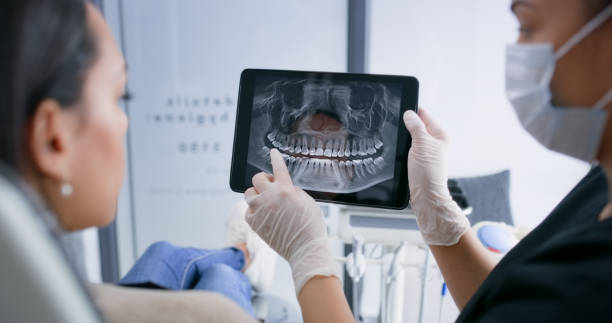
Extraction is usually the last resort, recommended only after a crown, root canal, or other fix has been ruled out. An intact, accessible tooth is a simple extraction; a broken or impacted one requires surgical technique.
Most extractions are done comfortably under local anesthesia alone, with sedation offered when needed. Following aftercare instructions closely protects the blood clot that forms in the socket, since disturbing it risks dry socket.
Delaying a decision on replacement isn't necessarily a problem, though your provider will flag if drift risk makes it worth doing sooner. If an implant is planned later, a bone graft placed at the time of extraction can preserve the socket's shape for that procedure.
Whether straightforward or impacted, the same practice typically handles either case. That saves a second consultation and a second round of imaging in most cases.
Comfort options beyond local anesthesia exist for those who need them. Which option makes sense depends on your anxiety level and the complexity of the extraction.
A tooth causing acute pain can often be removed the day it's diagnosed. Pain and infection risk are what move a case up the queue, not how long you've been a patient.
Detailed guidance on diet and activity reduces complication risk and speeds healing. Follow-up contact is available if something about recovery doesn't feel right.
Whatever the specifics of your case, the specialist we route you to has handled it before.
The most common extraction type, typically with straightforward recovery.
Handles more complicated cases where the tooth can't simply be lifted out whole.
Removes a tooth too decayed for a filling or crown, stopping decay from spreading further.
Often paired with a broader periodontal treatment plan for the remaining teeth.

Removes specific teeth to create space needed before braces or aligners.
Bone graft material placed in the socket preserves jaw volume for a later implant.
You describe what's going on in a minute or two; no automated menu to fight through first.
Based on your case and location in Rolla, ND, we find a provider with room on the schedule soon.
The specialist examines your case, often with same-visit imaging, and gives you a cost estimate before starting anything.
Treatment proceeds on the agreed plan, with aftercare instructions and a follow-up if the case calls for one.
"Explained every step and the cost before doing anything. First visit that didn't feel rushed."
"Price on the phone matched the invoice exactly. No surprise charges at all."
"No upsells, no pressure. Just the treatment I needed at the price I was told upfront."
You may feel pressure but not pain, thanks to the anesthesia.
Simple extractions typically heal within a week; surgical ones may take longer.
It happens when the healing clot dislodges early; avoiding straws and smoking helps prevent it.
Not always, but leaving a gap too long can let neighboring teeth shift.
If the tooth is actively causing problems, same-day extraction is typically prioritized.
Pricing varies with complexity, quoted before any procedure is performed.
We keep a live list of specialists across Rolla and the surrounding zip codes, so a nearby, open provider is already in our network.
Licensed to practice in ND, verified before referral.
A short call is all it takes to get this on the calendar this week.
Call +1-866-227-2801 Now