
If you're facing a root-canaled tooth that needs protecting before it fractures, we check who's actually open in Rolla, ND right now for this exact procedure — not just listed online.
Call and a coordinator checks live openings with a specialist while you're on the line.
+1-866-227-2801
A crown caps a damaged tooth entirely when a filling alone can't hold it together. A bridge, instead, replaces missing teeth by anchoring a false tooth to the crowns on either side of the gap. Both are custom-made to match your bite and the shade of surrounding teeth.
Some offices can design and mill a crown in a single visit using in-office equipment, cutting the traditional two-visit process down. Bridges typically still span two to three visits: preparing anchor teeth, taking impressions, and fitting the final piece.
A crown or bridge is only as durable as the tooth structure and gum health supporting it, so underlying decay or gum disease gets addressed first. That's why a full exam and any necessary cleanup happens before impressions are taken for the final restoration.
Skip the temporary-crown wait at participating locations. Not every office has the equipment, so ask specifically when you call if a single visit matters to you.
Zirconia and porcelain prioritize appearance; metal prioritizes durability for back molars. Your provider will recommend a material rather than leaving you to guess between options.
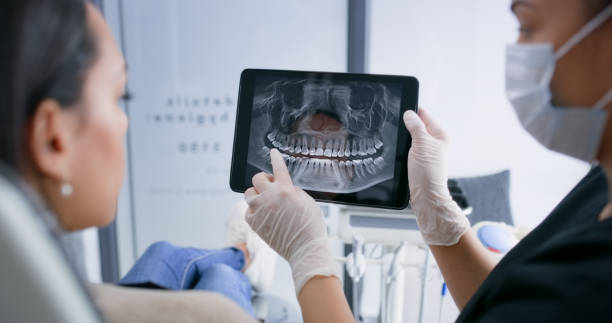
Digital scans capture your exact bite so the restoration fits without adjustment. Getting the fit right the first time avoids a return trip for adjustments.
Traditional bridges use your existing healthy teeth as anchors, avoiding implant surgery when appropriate. Whether your anchor teeth qualify is assessed before a bridge is recommended over an implant.
Whatever the specifics of your case, the specialist we route you to has handled it before.
A durable option for molars needing both strength and appearance.
Chosen for visible teeth where appearance is the priority.
Designed and milled in-office in one visit at participating locations.
The standard non-implant option for replacing one or more missing teeth in a row.

Specialized bridge types for cases that don't fit the standard two-anchor design.
Loose, cracked, or worn restorations are re-cemented or replaced as needed.
You describe what's going on in a minute or two; no automated menu to fight through first.
We match you with a nearby specialist experienced in this exact procedure and check real-time openings.
You get a clear explanation of the treatment plan and its cost before any work begins.
Treatment proceeds on the agreed plan, with aftercare instructions and a follow-up if the case calls for one.
"Explained every step and the cost before doing anything. First visit that didn't feel rushed."
"Price on the phone matched the invoice exactly. No surprise charges at all."
"No upsells, no pressure. Just the treatment I needed at the price I was told upfront."
Lifespan depends on material and bite habits, but a decade or more is typical.
Ask when you call — not every office offers it, but many do.
A crown caps a single damaged tooth; a bridge replaces missing teeth using neighboring anchors.
If anchor teeth aren't strong enough, an implant-supported option may be suggested instead.
Shade and shape are matched to your surrounding teeth during fabrication.
Cost depends on material and whether one or several teeth are involved, quoted before treatment.
Our coverage spans Rolla and its surrounding area, matching you with the closest available specialist who's actually open.
Licensed to practice in ND, verified before referral.
A short call is all it takes to get this on the calendar this week.
Call +1-866-227-2801 Now